 MR Admin
10 Jun 2024



10 Jun 2024
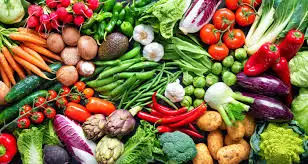
Kerala, renowned for its lush landscapes and rich biodiversity, stands at the forefront of India's organic agriculture revolution. With its favorable climate, abundant rainfall, and increasing consumer awareness about healthy living, the state presents immense opportunities for organic vegetable cultivation. This comprehensive exploration examines the current possibilities and future scope of organic farming in Kerala's unique agricultural landscape.
Kerala's tropical climate, characterized by consistent temperatures ranging from 23°C to 32°C throughout the year, creates an ideal environment for year-round vegetable production. The state receives substantial rainfall during two monsoon seasons, providing natural irrigation that reduces dependency on artificial water sources. The diverse topography, from coastal plains to highland plateaus, offers varied microclimates suitable for different vegetable varieties.
The state's rich alluvial soils, particularly in the coastal regions, and the laterite soils in the midlands and highlands, provide excellent foundations for organic cultivation when properly managed. Kerala's natural biodiversity also supports beneficial insects, earthworms, and microorganisms essential for maintaining soil health in organic systems.
Kerala's organic vegetable sector has witnessed remarkable growth over the past decade. The state currently cultivates a diverse range of organic vegetables including tomatoes, okra, brinjal, beans, gourds, leafy greens, and traditional varieties like drumstick and elephant yam. Small and marginal farmers, who constitute about 80% of the farming community, are increasingly adopting organic methods due to lower input costs and premium market prices.
The Kudumbashree initiative, Kerala's women-led community development program, has been instrumental in promoting organic vegetable cultivation through thousands of self-help groups across the state. These groups manage kitchen gardens, community farms, and collective marketing initiatives that have demonstrated the viability of organic production at the grassroots level.
Several districts, including Wayanad, Idukki, and Palakkad, have emerged as organic vegetable hubs, with farmers successfully transitioning from conventional to organic methods. The state's organic certification processes have become more streamlined, with organizations like Kerala State Organic Certification Agency facilitating farmer access to certified organic status.
The Kerala government has implemented comprehensive support systems for organic agriculture through various schemes and initiatives. The state's organic farming policy provides financial assistance for organic inputs, certification costs, and infrastructure development. Subsidies are available for organic fertilizers, bio-pesticides, and farm equipment specifically designed for organic cultivation.
The Department of Agriculture has established organic farming demonstration plots across all districts, serving as learning centers for farmers interested in transitioning to organic methods. Training programs, conducted in regional languages, cover topics from soil preparation and composting to pest management and post-harvest handling.
Financial institutions, including cooperative banks and regional rural banks, offer special loan schemes for organic farmers with reduced interest rates and flexible repayment terms. The state has also introduced crop insurance schemes specifically tailored for organic cultivation, addressing the unique risks associated with chemical-free farming.
Kerala's urban population shows increasing preference for organic vegetables, driven by health consciousness and environmental awareness. Cities like Kochi, Thiruvananthapuram, and Kozhikode have witnessed proliferation of organic retail outlets, farmers' markets, and online platforms dedicated to organic produce.
The premium pricing for organic vegetables, typically 20-40% higher than conventional produce, provides attractive profit margins for farmers. Direct marketing channels, including farm-to-consumer sales and community-supported agriculture models, eliminate middlemen and ensure better returns for producers.
Export opportunities are expanding, particularly for organic spices and vegetables to Middle Eastern countries where Kerala has established trade relationships. The state's ports provide convenient access to international markets, while the growing Indian diaspora creates demand for authentic Kerala organic produce.
The transition from conventional to organic farming presents several challenges that require strategic solutions. The initial three-year conversion period often results in reduced yields and higher labor costs, creating financial stress for farmers. However, government support schemes and community-based sharing of resources help mitigate these challenges.
Pest and disease management without synthetic chemicals requires knowledge of biological control methods and integrated pest management strategies. Extension services and farmer field schools play crucial roles in building this expertise among the farming community.
Access to quality organic inputs, including certified seeds, organic fertilizers, and bio-pesticides, remains limited in some regions. Development of local production units for organic inputs and strengthening supply chains can address these gaps effectively.
Kerala's organic vegetable sector is embracing technological innovations that enhance productivity while maintaining organic principles. Precision farming techniques, including soil testing and nutrient management systems, help optimize organic input application and improve yields.
Vermicomposting and biogas production from farm waste create closed-loop systems that reduce external input dependency while generating additional income streams. Drip irrigation and mulching techniques conserve water and suppress weeds naturally.
Mobile applications and digital platforms provide farmers with real-time information on organic farming practices, weather forecasts, and market prices. These tools enable better decision-making and connect farmers with buyers, extension services, and input suppliers.
The organic vegetable sector offers significant opportunities for value addition through processing and packaging. Small-scale processing units for products like organic pickles, dried vegetables, and ready-to-cook items can create additional revenue streams for farmers and rural entrepreneurs.
Establishment of organic food processing clusters, with shared infrastructure and common facilities, can reduce individual investment requirements while maintaining quality standards. These clusters can also facilitate collective marketing and brand building for Kerala's organic produce.
The future of organic vegetable cultivation in Kerala appears exceptionally promising, with multiple factors converging to support rapid growth. Increasing health awareness, environmental concerns, and government support create a favorable ecosystem for expansion.
Climate change adaptation strategies favor organic farming methods, which build soil resilience and reduce dependency on external inputs vulnerable to price fluctuations. Organic systems also contribute to carbon sequestration and biodiversity conservation, aligning with global sustainability goals.
The integration of traditional knowledge with modern scientific approaches offers opportunities for innovation in organic cultivation techniques. Research institutions in Kerala are developing location-specific organic farming modules that maximize productivity while preserving environmental integrity.
Export potential remains largely untapped, with opportunities in processed organic products, traditional varieties, and specialty items that showcase Kerala's agricultural heritage. Development of organic food tourism and agri-tourism can create additional revenue streams while promoting the state's organic agriculture.
Organic vegetable cultivation in Kerala extends beyond agricultural production to community development and social transformation. Women's participation in organic farming through self-help groups has enhanced their economic independence and decision-making roles within households.
Youth engagement in organic agriculture, supported by skill development programs and entrepreneurship opportunities, can address rural unemployment while ensuring continuity of farming traditions. Integration of organic farming with educational curricula can build awareness among future generations.
The development of organic farming cooperatives and producer organizations strengthens farmers' collective bargaining power and facilitates access to markets, credit, and technology. These institutions also play vital roles in knowledge sharing and peer learning.
Kerala's organic vegetable cultivation sector stands at an inflection point, with tremendous potential for growth and development. The state's natural advantages, supportive policy environment, and increasing market demand create a strong foundation for expansion. Success requires continued investment in farmer education, infrastructure development, and market linkages.
The transition to organic agriculture represents more than a farming method change; it embodies a commitment to environmental stewardship, community health, and sustainable development. Kerala's experience can serve as a model for other regions seeking to balance agricultural productivity with ecological preservation.
As consumer awareness continues to grow and global demand for organic produce expands, Kerala's organic vegetable sector is poised to play an increasingly important role in the state's agricultural economy. The convergence of traditional wisdom and modern innovation offers pathways to a prosperous and sustainable agricultural future, firmly establishing Kerala as a leader in India's organic agriculture movement.

MR Admin
10 Jun 2024

MR Admin
10 Jun 2024
MR Admin
10 Jun 2024
MR Admin
10 Jun 2024
 your Money